Current State of Omni-Channel Retail 2026 | USA
The Current State of Omni-Channel Retail Report 2026 US explores how customer behavior, pricing pressure, and digital discovery are reshaping retail performance across the USA.
Download the Insights Report
Why This Report Became a Must-Read for Retail Leaders

“How the customers dynamic is changing and how important delivery, particularly around those click and collect services and how important they are and what impact that can have on the overall customer experience.”
“Knowing that promotions are critical and that rewards are really important but which rewards, it’s not only about the loyalty programs but it’s what makes them loyal.”
“Definitely offering affordable alternatives for customers and how important that is in today’s market and implementing loyalty programs that actually provide something useful.”
“Stock availability is really important in converting shoppers who have come in-store and online particularly for our industry.”
“Retail is difficult, it’s dynamic and has a lot of macro impact so it’s always good to see a different perspective and obviously helps us divide and conquer.”
“Previously we think that maybe discount or the price is the most important for the customers but actually it’s fun to find out it’s free delivery who’s the deal maker.”
“I’ve always thought or considered that digital was the channel that people were going to more regularly but actually once a week people are going in-store, so completely shifted my thought process of the consumer journey.”
“Overall changing sentiment of the customer and how they’re becoming a little bit more price sensitive given the sort of macro factors at play at the moment and the tendency to shift towards flexible payment options really relevant for our business.”








This Exclusive Insight Report Will Cover
At a Glance: What’s Shifting in American Retail in 2026
More than three in five of US shoppers have changed how they shop in the last 12 months — driven by cost-of-living pressure, evolving channel preferences, and a sharper focus on value. The opportunity is to convert that volatility into share gain.
70%
31%
49%
43%
31%
36%
Growth-focused CX Insights: Key Strategic Opportunities
The opportunity in 2026 is not winning on price alone — it’s reducing friction, sharpening findability, and using loyalty as a frequency lever. Retailers that align store layout, online checkout, fulfillment and rewards to how shoppers actually behave will protect margin while growing basket size, especially among the persuadable middle of the market.

What’s Inside: The US Retail Industry Insights of 2026
Download the Insights Report
Survey-based insights with a 95% confidence level and a margin of error of ±5%.
Part 1: The Retail Landscape Today
Shoppers in the USA are becoming more value-conscious.
64% have changed their shopping habits by reducing non-essential spending, switching to cheaper brands, and managing budgets more carefully.
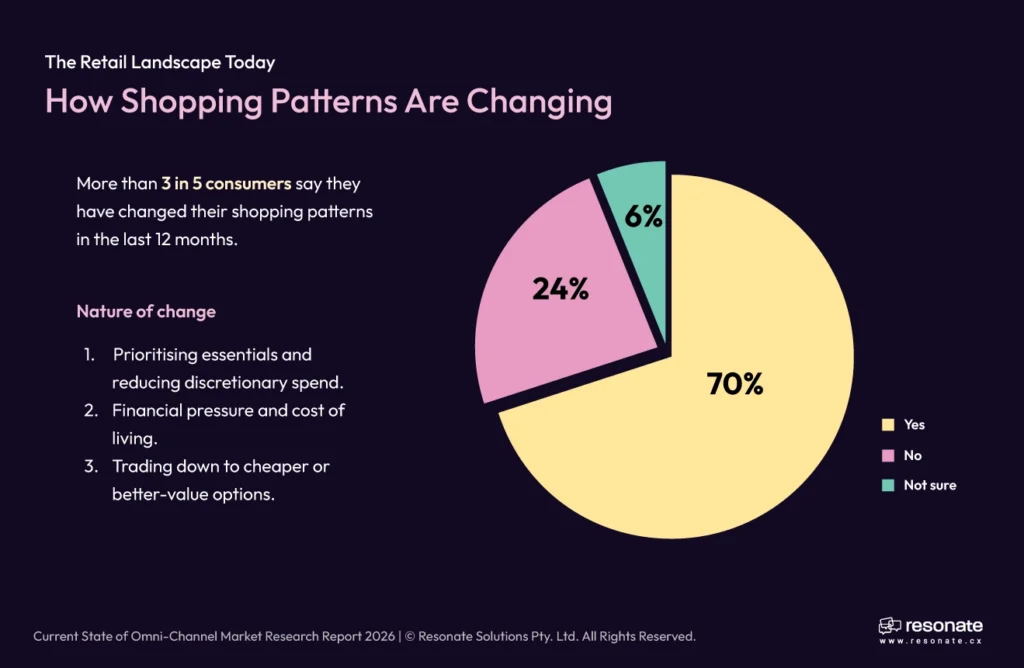
Figure 1. The 70% who have changed their shopping habits are doing so by cutting non-essentials, tightening household budgets, and switching to cheaper brands. In-store retail benefits when shoppers can compare, test and assess value directly.
Despite digital growth, physical retail remains important:
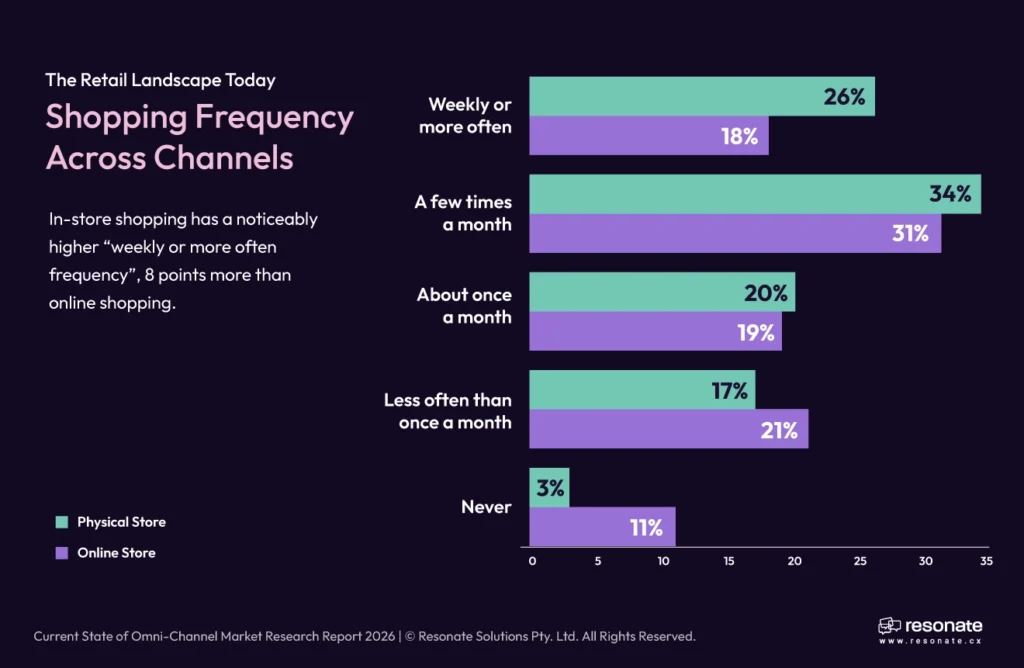
Figure 2. Consumers are still making the effort to visit stores regularly, despite the friction of travel, parking, and time. This suggests that physical retail is still delivering value strong enough to maintain repeat in-store behavior.
Part 2: How Shoppers Discover and Decide
Product discovery is now spread across multiple channels:
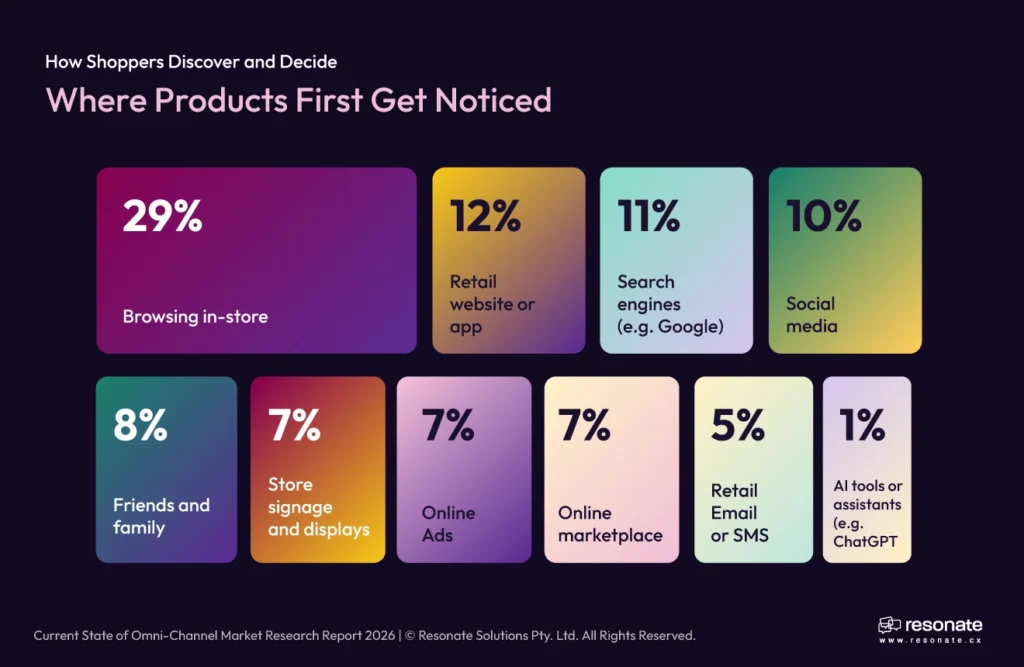
Figure 3. Make alternatives easy to find. If shoppers cannot compare options clearly, retailers risk turning store traffic into lost conversion. Store layout now plays a direct role in conversion. Clear adjacencies, signage, and visible alternatives help customers make decisions faster.
Reviews and recommendations now influence over one-third of product discovery, making reputation and social proof increasingly important.
Part 3: Omni-Channel Conversion and Barriers
Price remains the strongest purchase driver:
Other major switch triggers include out-of-stock products and poor product findability.

Figure 4. 49% of shoppers switch retailers because of high prices. If margin cuts are not an option, findability becomes the lever — helping customers locate products and alternatives quickly protects conversion.
Part 4: Value Sensitivity and Purchase Flexibility
Flexible payments accelerate purchase, not basket size. Without them, only 18% of shoppers buy as planned — the rest delay, spend less or go elsewhere. 58% want flexible payments by the $200 mark, not just on high-value items.
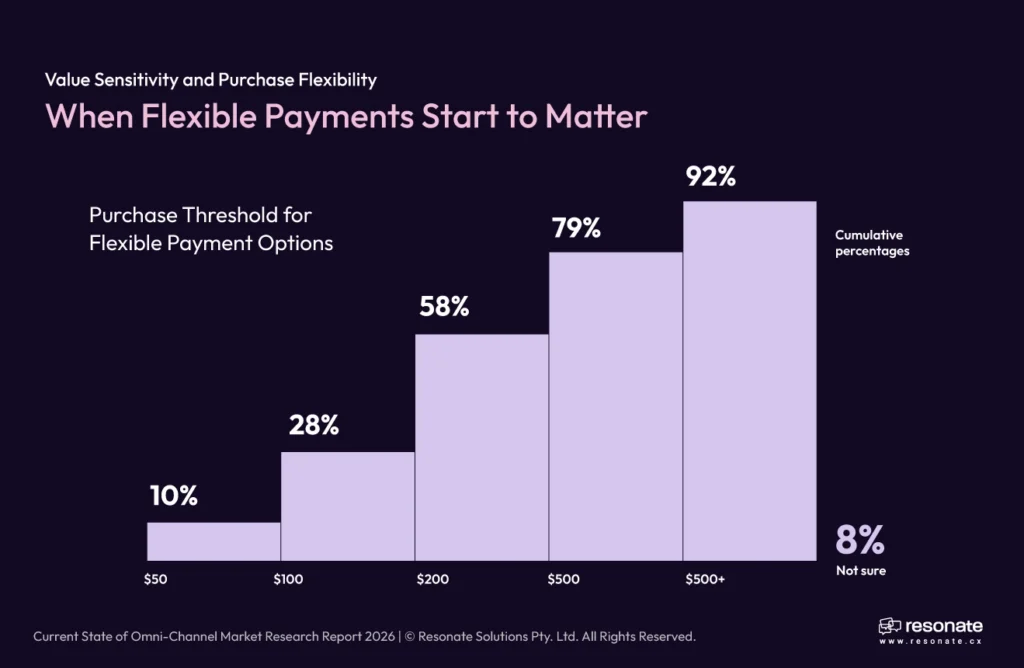
Figure 5. Retailers need to reassess where and how flexible payments are offered, as limiting them to
high-value items risks missing conversion opportunities across the entire basket.
Part 5: Loyalty, Retention and Switching Risk
Loyalty programs are becoming a strong frequency and retention lever:
Flexible payment options also become increasingly important for higher-value purchases.
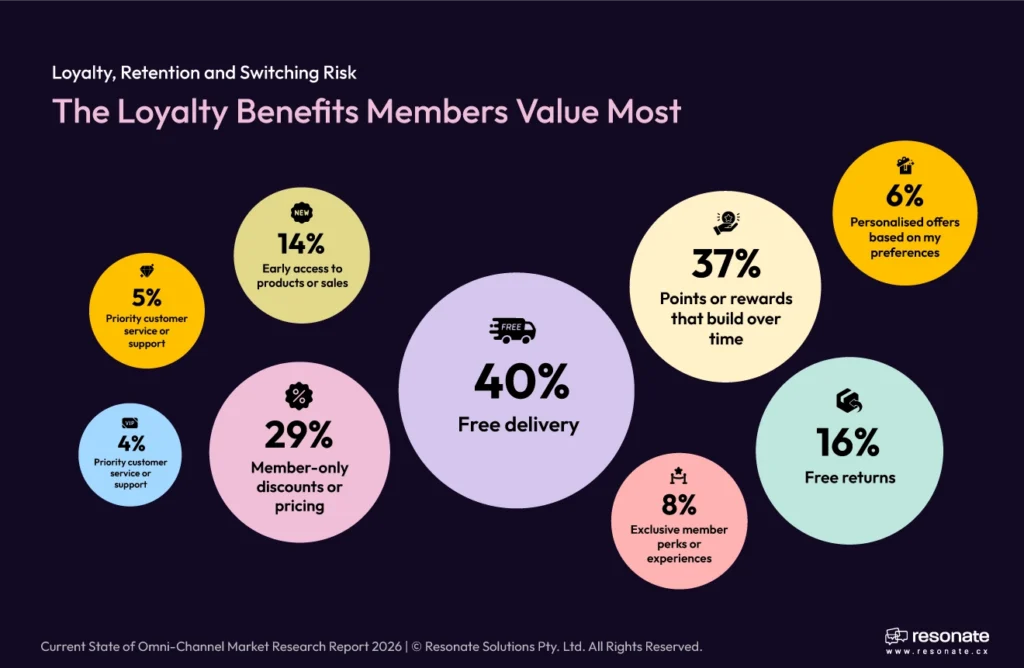
Figure 6. Loyalty is no longer about points alone. Customers expect benefits that directly support them through current financial pressures — practical savings, member-only pricing, and recognition that helps them manage costs.
Part 6: Understanding Different Mindsets
US shoppers fall into three key segments:
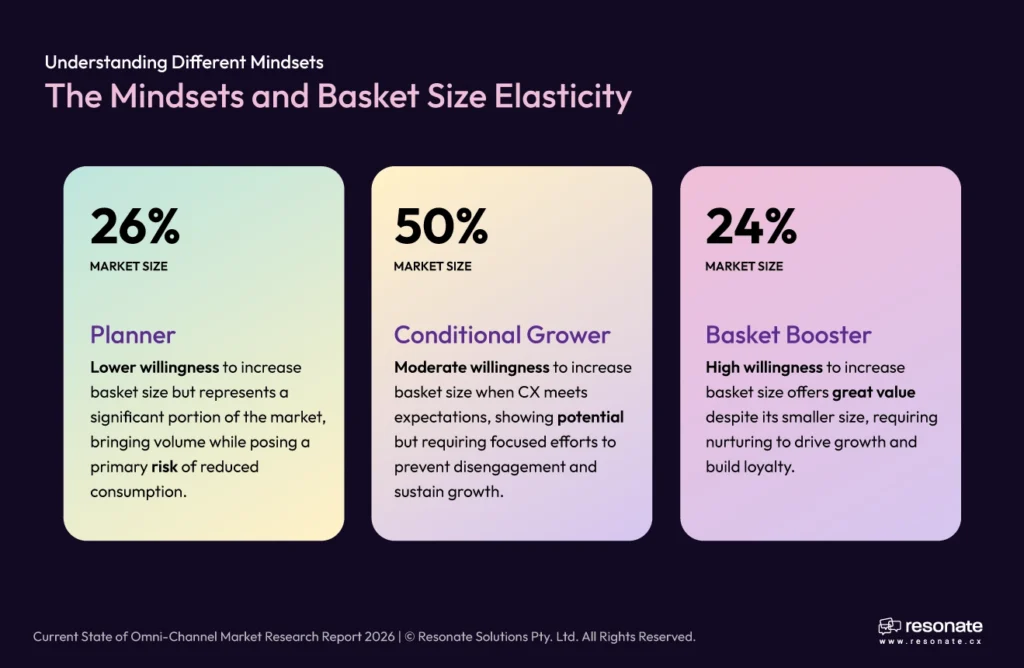
Figure 7. The real opportunity lies with those who are willing to spend more — often not for the product itself, but for the ease and convenience of the experience.
Part 7: The Ideal Retail Experience
Shoppers say they would visit stores more often if retailers improved:
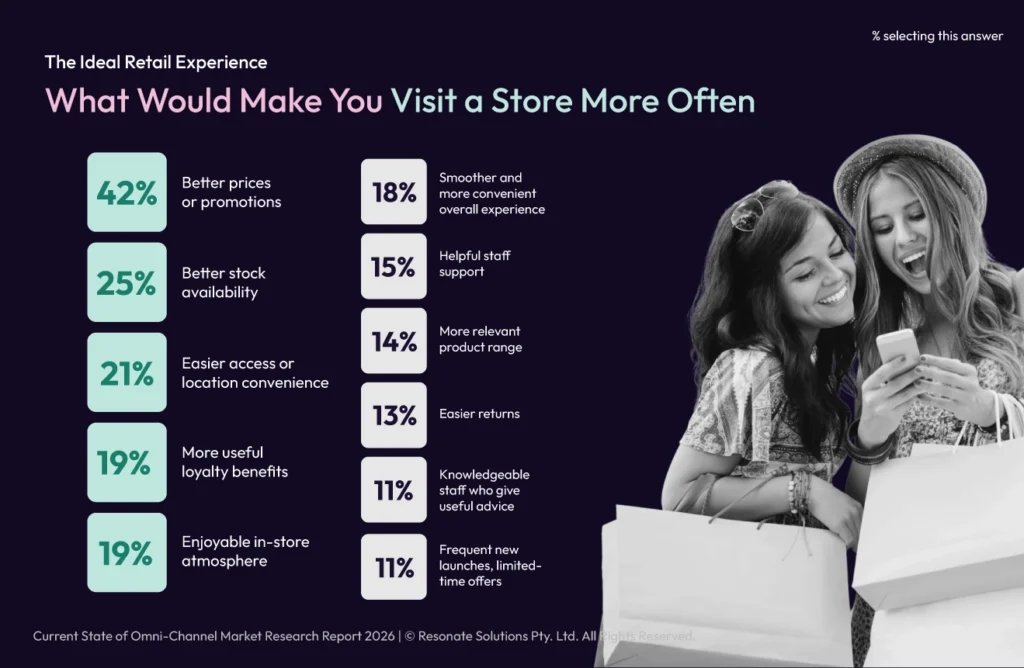
Figure 8. Retailers don’t need to rely solely on price cuts. Knowledgeable/helpful staff, stronger stock reliability, and practical loyalty benefits are more sustainable ways to drive repeat store visits.
Online shoppers prioritize:
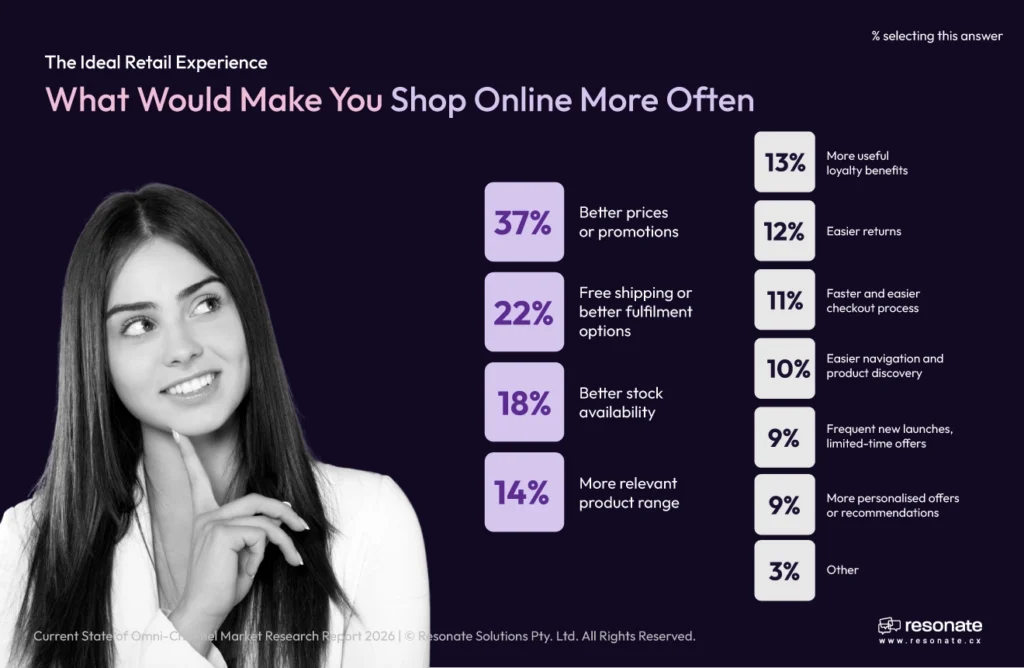
Figure 9. Online growth depends on value, certainty, and convenience. Better prices, free delivery, and reliable stock are the strongest drivers.
Trusted by Leading Retailers Across the Globe













FAQs
Stop Guessing, Start Growing.
Know exactly where shoppers drop off and fix it before it costs you revenue.
We Are the Right CX Partner for You
Speak to us and find out how we can help your business thrive.
Recognised for CX Excellence: Summer 2026







Related Resources
-
Report

Current State of Omni-Channel Retail Report 2026 | Australia
Explore omni-channel retail in Australia, with insights into customer behaviour, friction points, and growth opportunities. -
Report
Current State of Retail Customer Opportunities 2025-2026 United Kingdom | Report
Get first-hand insights on huge conversion opportunities in the UK Retail Market. Leverage CX expertise, dominate the retail landscape, and maximise ROI with expert-level CX insights. -
Report
Current State of Omni-Channel Retail 2025 Australia | Report
Get first-hand insights on huge conversion opportunities in the Australian Retail Market. Leverage CX expertise, dominate the retail landscape, and maximise ROI with expert-level CX insights.