TLDR:
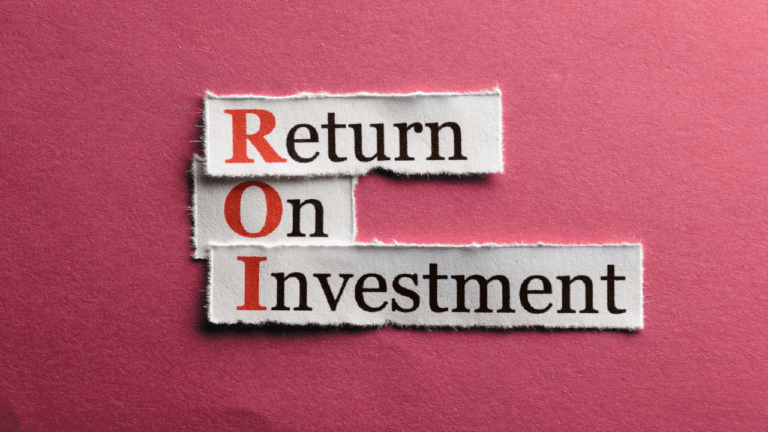
- Bad Profits vs. Good Profits: Bad profits are defined as revenue earned at the expense of the customer relationship, often through hidden fees, cancellation traps, or nuisance charges. While these fees may inflate short-term margins, they destroy long-term customer loyalty and trust by quietly manufacturing detractors who feel cheated.
- The Loyalty Liability of Hidden Fees: In today’s trust-sensitive market, customers are highly sensitive to fairness, meaning hidden costs that surprise or penalize are no longer sustainable. These charges create an expanding pool of detractors, leading to higher service costs, eroded trust, and a significant reduction in Customer Lifetime Value (CLV).
- The Solution is Fee Amnesty: A Fee Amnesty Program is a structured CX initiative designed to identify and proactively eliminate or simplify fees that are known to generate customer frustration. By being upfront about costs and removing unfair charges, businesses transform transparent pricing from a concession into a powerful growth lever that builds advocacy.
- Reinvesting for Good Profits: The revenue forgone from eliminating bad profits must be strategically reinvested to generate “good profits” and enhance loyalty. This capital should fund improvements like enhanced loyalty rewards, friction-reducing digital experiences, or better training for frontline teams to resolve issues faster.
- Establishing a Culture of Fairness: To start, businesses must map their entire fee landscape and quantify the friction—such as NPS declines or churn—correlated with each fee to prioritize removal or redesign. Ultimately, the long-term goal is a culture change where “no hidden fees” becomes a brand principle, embedding the test of “does this fee create value or resentment?” into every pricing decision.
Which fees create the most detractors per $1 of profit, and what’s your exit plan?
That’s the uncomfortable but urgent question many businesses face now.
In 2025’s trust-sensitive market, hidden fees, fine-print penalties and nuisance charges can still inflate short-term margins, but they destroy long-term loyalty. Bain & Company calls them “bad profits”: the revenue you earn at the expense of the customer relationship. The alternative? Be upfront about costs, remove unfair fees, and reinvest in customer loyalty. That’s how transparency turns into growth.
What Are “Bad Profits” in CX? Understanding the Hidden Cost of Short-Term Gains
Not all profits are created equal.
‘Good profits‘ are earned when customers are happy to pay, when the price matches the value delivered.
While ‘bad profits‘ come from practices that extract value rather than create it: hidden fees, late-payment penalties, cancellation traps, service surcharges.
They look good on paper but quietly manufacture detractors. Every time a customer may say, “I feel cheated,” your brand loses more trust than the money it gains.
In a world where switching costs are low and customer expectations are transparent, bad profits are no longer sustainable. What once looked like operational efficiency is now a loyalty liability.
CX Guides | free to download
No fluff. Just CX strategy guides for real-world use. Get tips from the experts.
The Trust Imperative in 2025: Why Fee Amnesty Must Be on Your CX Agenda
Customers today are more sensitive to fairness, given the option to leave anytime they want to go to your competitor. They can accept premium pricing, but hidden ones will always feel cheap (and frustrating).
Companies that still hold onto such transparent pricing models and surprise charges create an expanding pool of detractors: customers who feel misled, complain publicly, and discourage others from buying, and the hidden cost of these tactics only goes downhill from there:
- Eroded customer trust that lowers retention and referral rates.
- Higher service costs, as angry customers call or leave complaints.
- Reduced lifetime value, as detractors spend less, promote less and leave faster.
A fee amnesty program directly addresses this.
It’s a structured initiative to identify, eliminate, or simplify fees that generate frustration. When banks removed overdraft and late-payment fees, or airlines stopped charging for basic services, they started being seen as a credible organisation and not just a company hungry for your money.
Transparent pricing is now a growth lever, not a concession. In loyalty economics, every dollar sacrificed in “bad profit” can yield multiple dollars in future retention and advocacy.
A Loyalty Economics Framework: From Fee Amnesty to Reinvestment
A loyalty-economics approach works in three phases:
1. Define the Fee Amnesty Program
Map all existing customer-facing fees and categorise them by purpose, visibility, and emotional impact. Not all fees are bad, but those that surprise or penalise are probably worth taking a second look at. Governance should include finance, legal, and CX teams working together to balance compliance with customer fairness. Communicate clearly and proactively: “We’re removing these charges to make your experience more transparent.”
2. Reinvest Savings into Loyalty
The revenue you relinquish from bad profits becomes capital for good profits:
- Enhanced loyalty rewards or referral bonuses.
- Simpler digital experiences that reduce customer friction.
- Training frontline teams to resolve issues faster and rebuild customer trust.
3. Track the Right Metrics
To prove ROI, link each action to measurable CX outcomes:
- Detractor rate per $1 of profit removed.
- Customer-lifetime-value (CLV) uplift.
- Retention delta before and after the amnesty.
When tracked over time, these metrics form the backbone of a sustainable customer loyalty strategy.
Identifying the Worst Offending Fees: “Which Fees Create the Most Detractors per $1 of Profit?”
The starting point for every company is different, but the methodology is consistent.
- Map the fee landscape: List every charge visible to customers along with those hidden in the fine print.
- Quantify friction: Measure complaint frequency, NPS declines, or churn correlated with each fee.
- Score the trade-off: Combine fee size, emotional impact, and churn risk to prioritise removal.
This forms a prioritisation matrix:
- Top-right = high revenue, high detractor impact → eliminate or redesign immediately.
- Bottom-left = low revenue, low impact → monitor for compliance and clarity.
Case in point: The Financial Brand reports that many banks are eliminating overdraft fees as customer‐and-regulator pressure grows. Moreover, The Harvard Business School “Working Knowledge” article explains how overdraft fees act like credit and punish customers with low incomes, a classic “bad profit” scenario. Bank fees (including overdrafts) actually drive customers to switch banks, undermining retention.
Implementation Roadmap & Governance: From Discovery to Culture Change
- Implementation:
Form a cross-functional team, CX, finance, risk, legal, marketing, to audit every fee and its emotional footprint. - Decision:
Approve a phased fee amnesty program and define communication tactics that reinforce transparency and fairness. - Reinvestment:
Channel savings into customer experience improvement projects and loyalty incentives. - Governance:
Assign executive sponsors to ensure ongoing accountability. - Culture Change:
Make “no hidden fees” a brand principle. Embed it into pricing policy, employee training, and product design so customers know this is not just a one time campaign.
The long-term goal is prevention: to make sure new bad profits never creep back in. Every pricing decision should now pass the simple test of this one question, ‘does this fee create value or resentment’?
The Future of CX Profitability: Making Good Profits the Norm
As Bain’s research shows, companies that convert bad profits into good profits through transparency and fairness outperform peers in growth and loyalty.
By eliminating hidden fees, committing to transparent pricing, and reinvesting in experiences that retain customers, businesses future-proof both reputation and revenue. In the new economics of CX, loyalty is the most profitable currency.
Book a live demo to see how Resonate CX helps you identify revenue that hurts retention, quantify the ROI of “good profits,” and design loyalty programs that pay back in advocacy.